
The Red Umbrella Club is a US based sex workers' rights blog and news archive
This website is for informational and educational purposes only. It does not constitute legal, medical, or professional advice.Laws regarding sex work vary by jurisdiction and change frequently. We do not guarantee the accuracy, completeness, or current applicability of any information on this site.Use of this website does not create an advocate-client or confidential relationship. We are not responsible for any legal or other consequences resulting from your actions based on this information.Nothing on this site endorses or encourages illegal activity. Our mission is harm reduction and rights advocacy.For legal advice, consult a qualified attorney in your jurisdiction. For emergencies, contact local crisis services.This website contains explicit adult content. You must be at least 18 years old (or the legal age of majority in your location) to enter. By proceeding, you confirm that you are of legal age, that adult material is legal to view where you live, and that you are accessing this site voluntarily. We are not responsible for any legal consequences resulting from your access. Please exit now if you do not agree.
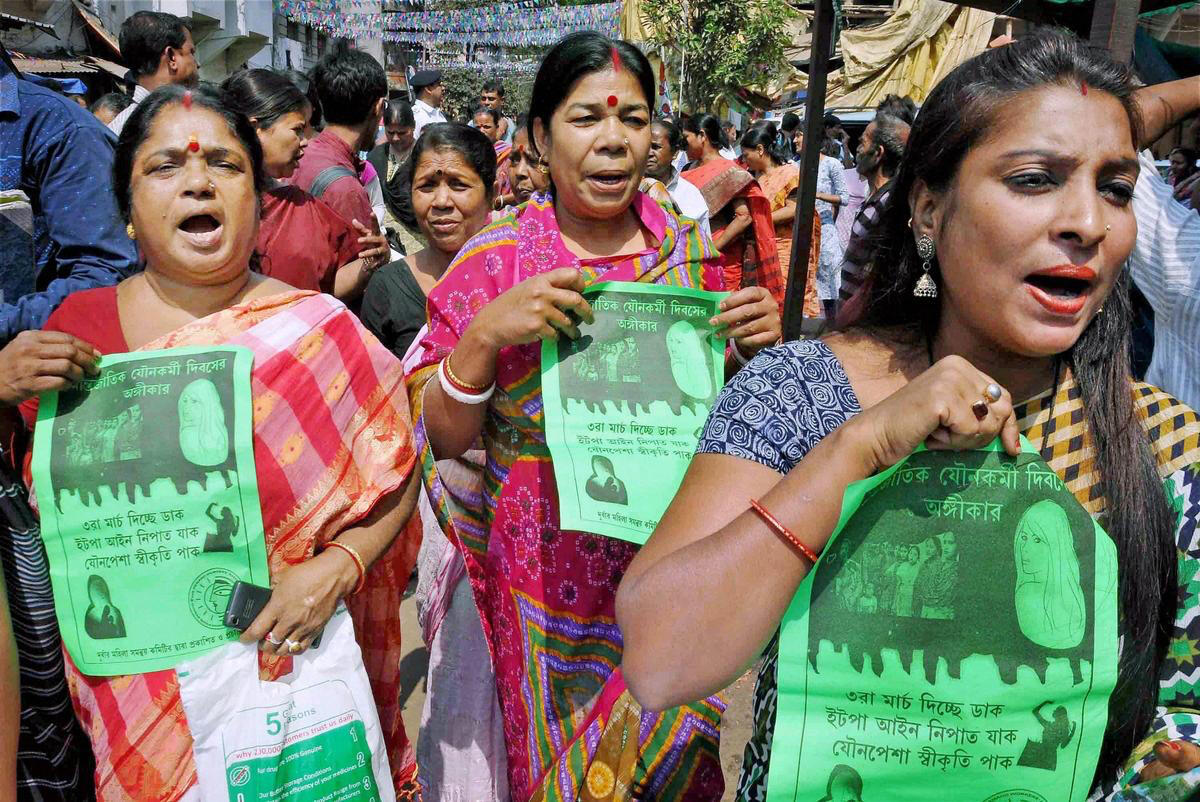
The Red Umbrella Club puts sex workers' voices at the forefront of policy making
This blog is for sex workers, comrades, and anyone ready to listen beyond the stigma. We talk about rights, not rescue. Safety, not shame. Decriminalization, not moral panic. Whether you're in the industry, leaving it, love someone who is, or just want to learn — you'll find facts, stories, and advocacy without judgment.
The Red Umbrella Club is not a blog about “rescuing” sex workers from their choices. When we talk about human rights, labor rights, and social justice, we must include sex workers — yet they remain one of the most stigmatized and legally marginalized groups in the world. Sex work, whether voluntary or situational, is work. And like all workers, sex workers deserve safety, dignity, autonomy, and access to justice.This blog is dedicated to shifting the conversation from shame and criminalization to respect and protection. Here, you’ll find debates on decriminalization, discussions on fighting stigma, labor organizing, health access, and the lived realities of sex workers. Whether you’re new to the topic or a long-time advocate, our goal is to inform, challenge myths, and support the movement for sex workers’ rights — because no one should be left behind in the fight for equality.
Disclaimer
1. Informational Purposes Only
The content provided on this website – including articles, guides, legal summaries, and personal narratives – is for general informational and educational purposes only. It does not constitute legal, financial, or medical advice.2. No Attorney-Client Relationship
Use of this website or communication with us via email, contact forms, or social media does not create an attorney-client, advocate-client, or confidential relationship. You should consult a qualified legal professional for advice regarding your individual situation.3. Laws Vary by Jurisdiction
Sex work–related laws, regulations, and enforcement practices vary significantly between countries, states, and local municipalities. Information on this site may not reflect the most current legal developments in your area. We make no representation that any content is accurate, complete, or applicable to your specific jurisdiction.4. No Guarantee of Safety or Outcomes
While we strive to provide helpful resources, we cannot guarantee that following any information or strategies found on this site will prevent arrest, prosecution, violence, discrimination, eviction, or any other harm. Your safety and legal compliance are your own responsibility.5. Third-Party Links
Our website may link to external organizations, services, or legal referrals. These links are provided for convenience and do not imply endorsement or verification of those third parties’ information, safety practices, or legal standing.6. No Endorsement of Illegal Activity
In jurisdictions where certain forms of sex work are criminalized, nothing on this website is intended to encourage or instruct anyone to violate the law. Our mission is to reduce harm, support rights, and advocate for decriminalization – not to assist in evading law enforcement.7. Limitation of Liability
To the fullest extent permitted by law, we disclaim all liability for any loss, injury, claim, liability, or damage of any kind resulting from your use of this website or reliance on any information provided here.8. Emergency Situations
This website is not a crisis service. If you are in immediate danger, being trafficked, or experiencing a medical or mental health emergency, please call your local emergency number (e.g., 911 in the US) or a local crisis hotline.9. Updates
We reserve the right to update this disclaimer at any time without notice. The current version will always be posted on this page.
Beyond the Stigma: An Introduction to Sex Workers’ Rights
When you hear the words “sex worker,” what comes to mind? For many, the answer is shaped by crime dramas, news headlines about trafficking raids, or moral panics spread on social media. Rarely do we hear the most important voices of all: sex workers themselves.The Red Umbrella Club exists to change that.In the coming posts, we’ll explore questions like:- Does decriminalization increase trafficking? (Spoiler: evidence says no.)
- How does survival sex work and choice intersect?
- How can non-sex workers be genuine comrades?
- Why does targeting sex workers' clients under the Nordic Model increases violence and STI rates?
- How does full decriminalization challenge the ruling class and decentralize power in the sex industry?
- Reading recommendations and personal stories from current and former sex workers.We’ll also share resources: legal aid, harm reduction tools, health guides, and ways to support grassroots organizations led by sex workers.
What We Stand For
We sometimes hear from the revolutionary left that focusing on 'rights' for sex workers misses the point – that as long as poverty and inequality exist, sex work is a product of coercion. We take that economic critique seriously. But waiting for a revolution to end all exploitation doesn't help the person who needs to pay rent tonight. We demand both economic justice for all and the immediate decriminalization and safety of sex workers.Decriminalization, not legalization.
Decriminalization means removing criminal penalties for consensual sex work, while legalization often creates a two-tier system that still punishes indoor, migrant, or street-based workers. Research from New Zealand and parts of Australia shows decriminalization improves safety and health outcomes without increasing trafficking.Fighting stigma.
Stigma kills. It prevents sex workers from seeking medical care, reporting abuse, or even confiding in family. Words like “prostitute” (often used as an insult) and stereotypes about drug addiction or victimhood erase the diversity of lived experience.Labor rights for all.
Sex work is work. That means sex workers deserve the right to unionize, earn a living without fear, refuse unsafe conditions, and receive the same legal protections as bartenders, massage therapists, or performers.Centering the most marginalized.
Migrant sex workers, Black and Indigenous sex workers, trans sex workers, and disabled sex workers face the highest rates of violence and arrest. Any rights movement that leaves them behind is incomplete.
A Note on Language
You’ll notice we use the term “sex worker” rather than “prostitute.” This is intentional. “Sex worker” acknowledges agency and labor. “Prostitute” has been used for centuries as a legal and moral slur. We also respect individual preferences—some people choose to reclaim older terms—but our default is the language of dignity.
An Invitation
Whether you’re a sex worker looking for solidarity, a student researching policy, a former sex worker reflecting on your past, or someone just curious to learn—welcome. You don’t have to agree with everything at first. You don’t have to personally support sex work to believe that sex workers deserve to live free from violence, arrest, and shame.What we ask is simple: listen with an open mind. Challenge your assumptions. And remember: no one has wever been helped by being stripped of their rights.Let's begin.
What You Need To Know About
Sex Work: The Red Umbrella Term
Since 100 prostitutes in Lyon, France, occupied a church in 1975 to protest police abuse, sex workers across the globe have been organizing for their rights to work and to live free from violence and discrimination.
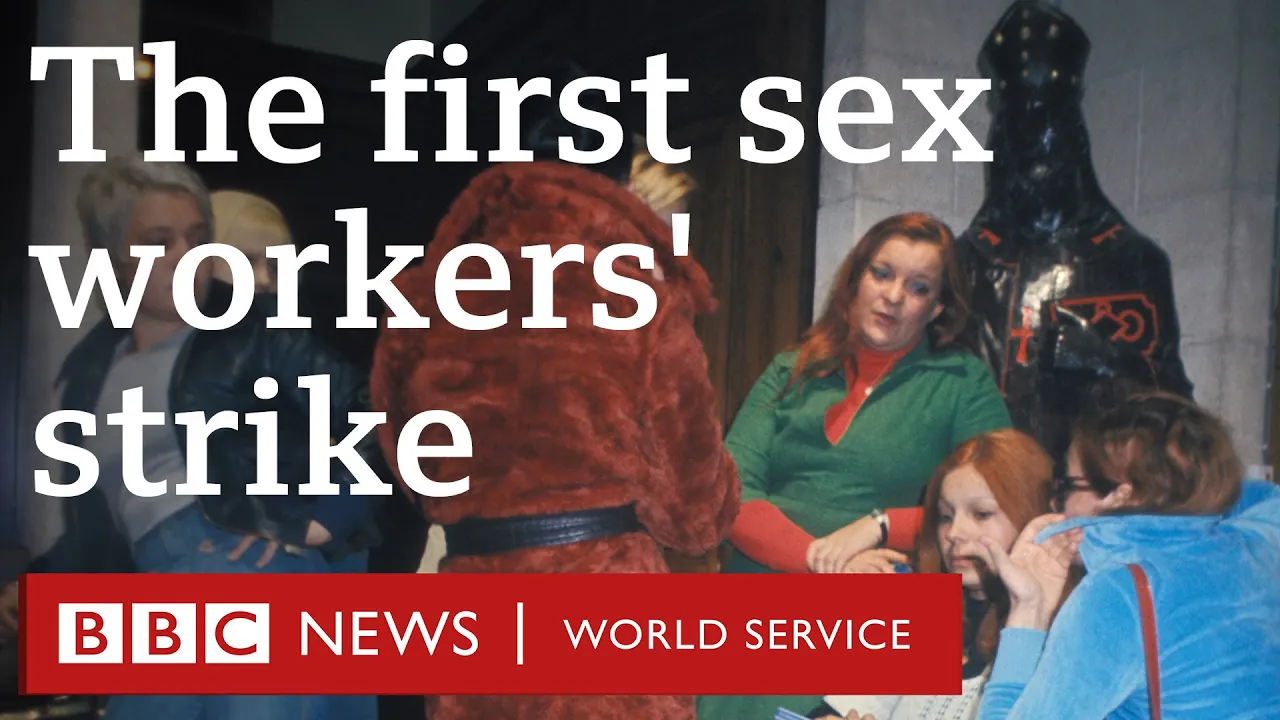
The origin of the symbol
The red umbrella is a global symbol of sex worker rights and resistance against stigma and violence. Sex workers adopted the red umbrella during protests at the Venice Biennale of Art in 2001 to highlight inhumane working conditions and human rights violations. Today, it remains a prominent element in the global movement for sex worker rights.Types of sex workers
A sex worker is person who provides services either on a regular or occasional basis. The term is used in reference to those who work in all areas of the industry. Sex workers are sugar babies, strippers, adult film/spicy content creators, and full service providers including luxury companions and Dominatrices even if physical contact is a boundary.
Myths & Realities
Human Trafficking
Trafficking is defined in United States federal and state law, as well as international law, and refers to the intentional movement of someone through force, fraud, or coercion into any labor sector. Thus, the crime of “trafficking” can be experienced by sex workers, but not all people in the industry are trafficked. People can be trafficked into any kind of work. In the United States, more people are trafficked into agricultural and domestic labor than into commercial sex work.Why conflating consensual sex work with trafficking is harmful
Trafficking, by definition, involves force, fraud, or coercion. When these are treated as the same thing, we lose the ability to see and address the distinct problems of each. When the law treats all sex workers as victims (or criminals), it destroys the very structures that keep people safe.
Carol Leigh
The Scarlot Harlot
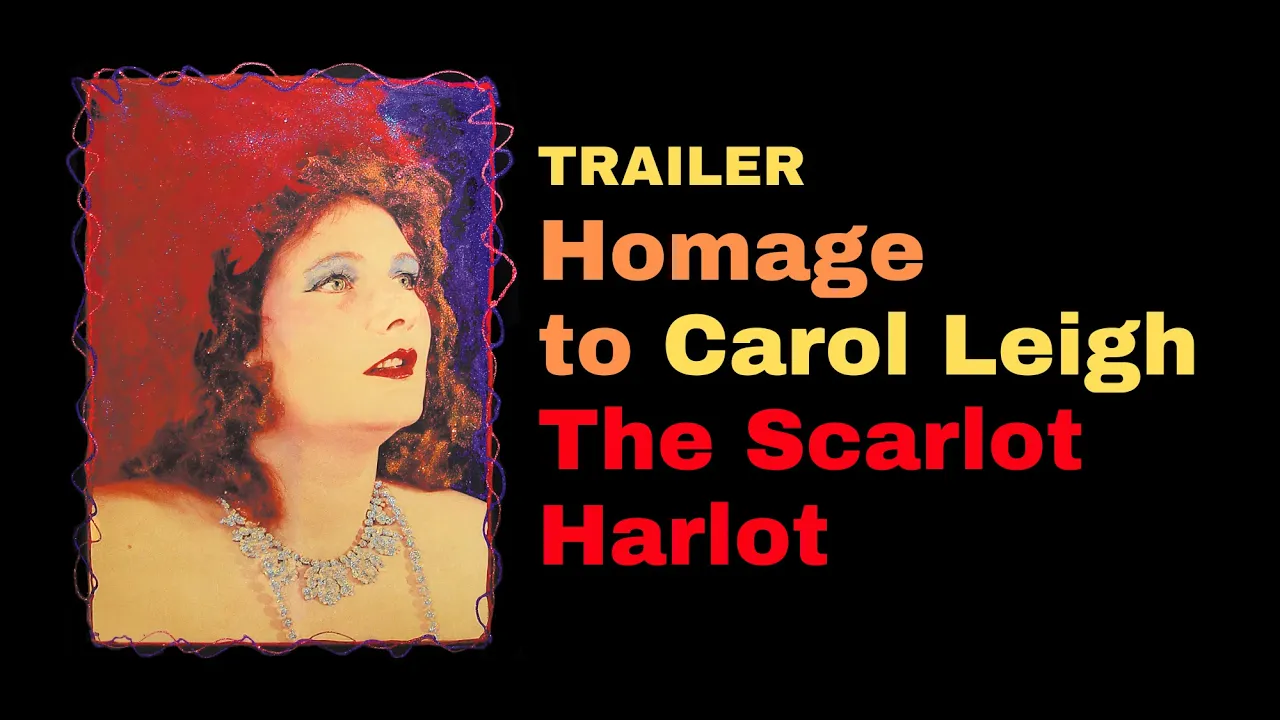
Carol Leigh, also known as The Scarlot Harlot, is credited for coining the term sex work in 1978 at an anti-porn conference. She was an American artist, author, film maker, sex worker, and sex worker’s rights activist who founded the Sex Worker Film & Arts Festival and was also the co-founder of BAYSWAN. Leigh grew up in Jackson Heights, Queens. She was “a red diaper baby” or otherwise known as a child whose parents were apart of the Communist Party USA. When she moved to San Francisco and started engaging in sex work, she was assaulted by two men at the establishment she worked at. She did not report her abusers to the police out of fear that the studio would be shut down entirely. Leigh later described the assault as a defining moment in her life that prompted her activism for sex workers' rights.
Decriminalization
The global labor rights movement you’ve probably never heard of
There are about 300 sex worker led collectives in 70 countries that advocate for full decriminalization. Sex workers in the Global South face intersecting challenges, including extreme poverty, high rates of gender-based violence, systemic marginalization, and lack of legal protections, often driven by colonial legacies and neoliberal economic policies. They frequently operate in criminalized or unregulated environments, increasing their vulnerability to police harassment, trafficking, and health crises, while simultaneously organizing to demand rights and safety.
Decriminalization
Decriminalizing sex work involves removing criminal penalties for both providers and clients. Treating consensual sex work as a form of labor, has improved safety, health outcomes, and access to resources for sex workers by allowing them to work without fear of arrest and enabling reporting of violence.Decriminalization vs Legalization
Sex workers’ rights advocates oppose legalization as laws would create a two tiered system, only protecting those who work in State approved establishments and increases police surveillance of marginalized sex workers.Decriminalization vs The Nordic Model
Sex workers oppose the failed Nordic Model which criminalizes clients in an effort to end demand. Since being implemented in places like Sweden, Northern Ireland, Norway and Canada, sex workers have reported still being arrested despite this law, an increase in violence, and loss of housing.

The mental health of sex workers
Criminalization of sex work significantly harms the mental health of sex workers by increasing vulnerability to violence, fostering intense stigma, and creating severe economic insecurity. This environment drives high rates of depression, anxiety, PTSD, suicide risk, and substance abuse, as workers face fear of arrest and barriers to safety.Decriminalizing sex work significantly improves the mental health, safety, and overall well-being of sex workers by reducing fear of arrest, police violence, and societal stigma. Studies indicate that decriminalization allows for safer working conditions, improved access to healthcare, and greater ability to report crimes, which directly lowers anxiety and trauma related to criminalization.
Sex Work Debates
Moralism vs materialism

The debate around sex work is one of the most polarized and emotionally charged discussions in modern social policy. It sits at a difficult intersection: labor rights vs. human dignity, personal autonomy vs. societal harm, and feminist solidarity vs. feminist ideology.
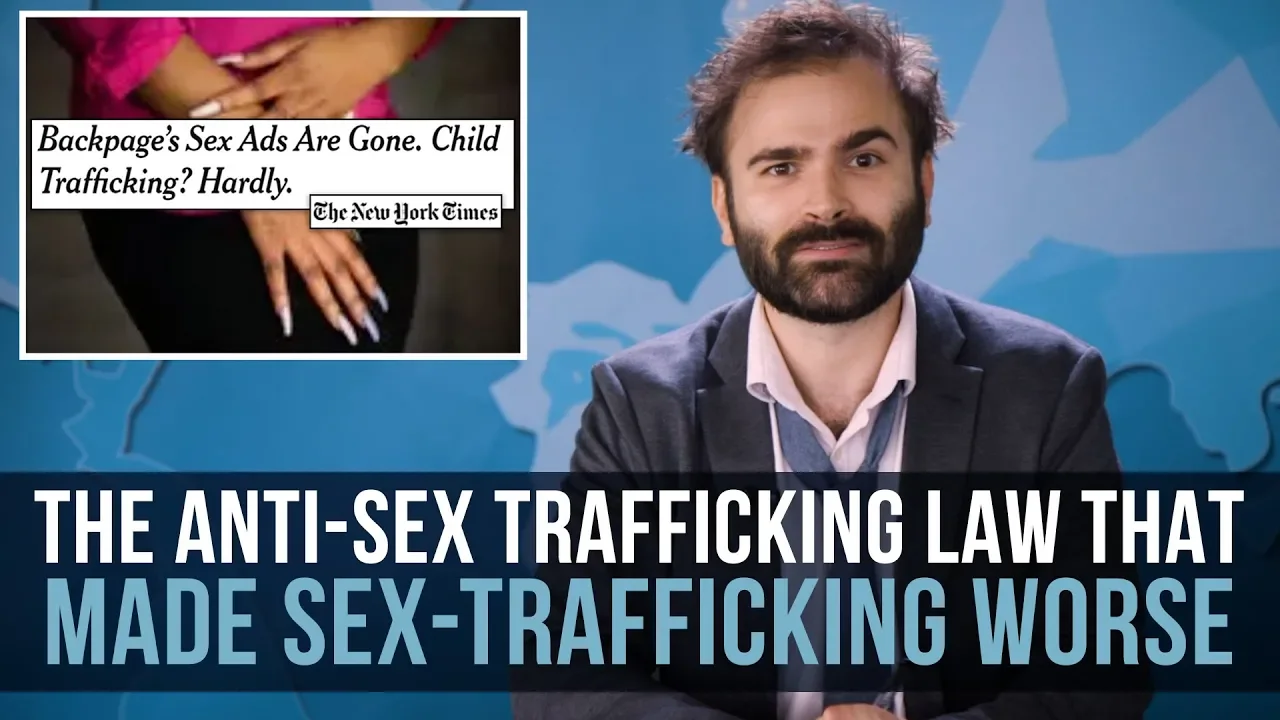
The truth about FOSTA-SESTA
FOSTA SESTA has a body count
Kamala Harris' role in the shutdown of Backpage
In 2016, her office filed the first-ever criminal charges against the website's founders and CEO, a move that her former deputy said "started it all" in the nationwide effort to shut the site down. This action has become a significant part of her record, but it is also highly controversial, as evidence later emerged that complicated the initial narrative.

The terrible aftermath of FOSTA-SESTA
A few days after Backpage was shut down by US federal authorities in April 2018, Public Law 115-164, better known as FOSTA-SESTA, became US law. Its stated goal was to reduce human trafficking by amending Section 230 of the Communications Decency Act and holding Internet platforms accountable for the content their users post. What the law has actually done is put increased pressure on Internet platforms to censor their users. While the law has been lauded by its supporters, the communities that it directly impacts claim that it has increased their exposure to violence and left those who rely on sex work as their primary form of income without many of the tools they had used to keep themselves safe. The ability to work independently online had reduced the need for sex workers in dire financial situations. By shutting down online platforms used for safety, this lead to a 170% increase in human trafficking cases in San Francisco.
Sex History & Debunking Myths
The War on Porn
The Moral Crusade Revived
The war on porn, spanning over a century, has evolved from early 20th-century anti-obscenity laws into a modern, internet-focused debate. Key milestones include the 1970 commission on porn, the 1986 Meese Commission, and recent efforts to classify internet pornography as a "public health crisis". Efforts have spanned legal battles, feminist opposition, and conservative, moral campaigns.

Age Verification Laws
While the intention behind these laws is almost universally supported (protecting children), critics argue that the laws themselves are fundamentally flawed, ineffective, and potentially harmful. By creating a "walled garden" for major commercial sites, these laws may inadvertently push curious children towards the darker, less regulated, and potentially more dangerous corners of the internet. Instead of acting as a secure fence, they act more like a faulty lock on the front door—one that any determined kid can pick, while simultaneously keeping a detailed log of every time an adult comes and goes. This log, if stolen, becomes the real danger. Therefore, the laws are not just ineffective; they are arguably counterproductive, creating a false sense of security while introducing new, serious risks.

Junk Science & Addiction Coaches
Scientific consensus increasingly holds that "porn addiction" lacks robust empirical data to be classified as a mental health disorder, often failing to meet standard addiction criteria. Studies suggest the concept is driven more by moral, religious, or political concerns rather than clinical evidence, with many researchers viewing it as a "sham" or a "pseudo-treatment" industry.

Feminism & Sex Work
SWERFS
A SWERF (Sex Worker Exclusionary Radical Feminist) is a person, typically identifying as a radical feminist, who opposes the sex industry and advocates for its abolition. They generally view sex work as inherently exploitative, harmful to women, and a product of patriarchy rather than a legitimate form of labor. SWERFs often believe that prostitution, pornography, and other sex industries cannot be voluntarily engaged in, viewing them as coercive.

SWERFs harm sex workers by stigmatizing them, promoting surveillance, and calling for the criminalization of clients rather than safety and labor rights. While SWERFs often see themselves as protecting women from abuse, many other feminists argue this position excludes sex workers, denies their agency, and ultimately acts as an anti-feminist, "sex-negative" stance.Many SWERFs espouse their ideology publicly, not only making women working in sex industries the target of their abusive rhetoric but in some cases also risking the workers’ safety, which they claim to want to protect. For example, SWERFs have been known to engage in doxxing, publicly posting addresses and other personal contact information of women who engage in sex work, as well as protesting at and picketing women’s places of work.
Recommendations
Reading and film recommendations